AP Physics 2 is an algebra-based, college-level physics course offered by the College Board as part of the Advanced Placement (AP) program. Designed primarily for high school students who have already completed AP Physics 1 or an equivalent introductory physics course, AP Physics 2 covers more advanced topics including fluids, thermodynamics, electricity and magnetism, optics, and modern physics. This course prepares students for college-level science studies and offers the chance to earn college credit through the AP exam.
Whether you’re a science enthusiast or planning to major in medicine, biology, or engineering, AP Physics 2 offers a strong foundation in conceptual and experimental physics. In this blog post, we’ll break down the content, structure, and benefits of AP Physics 2 to help you decide if it’s the right fit for your academic journey.

What Topics Are Covered in AP Physics 2?
AP Physics 2 dives into a wide range of advanced physical principles. The curriculum is structured around seven main units as outlined by the College Board:
1. Fluids
Students explore the behavior and properties of fluids including buoyancy, fluid pressure, and Bernoulli’s principle.
2. Thermodynamics
This unit covers the laws of thermodynamics, thermal energy transfer, and the concepts of heat engines and entropy.
3. Electric Force, Fields, and Circuits
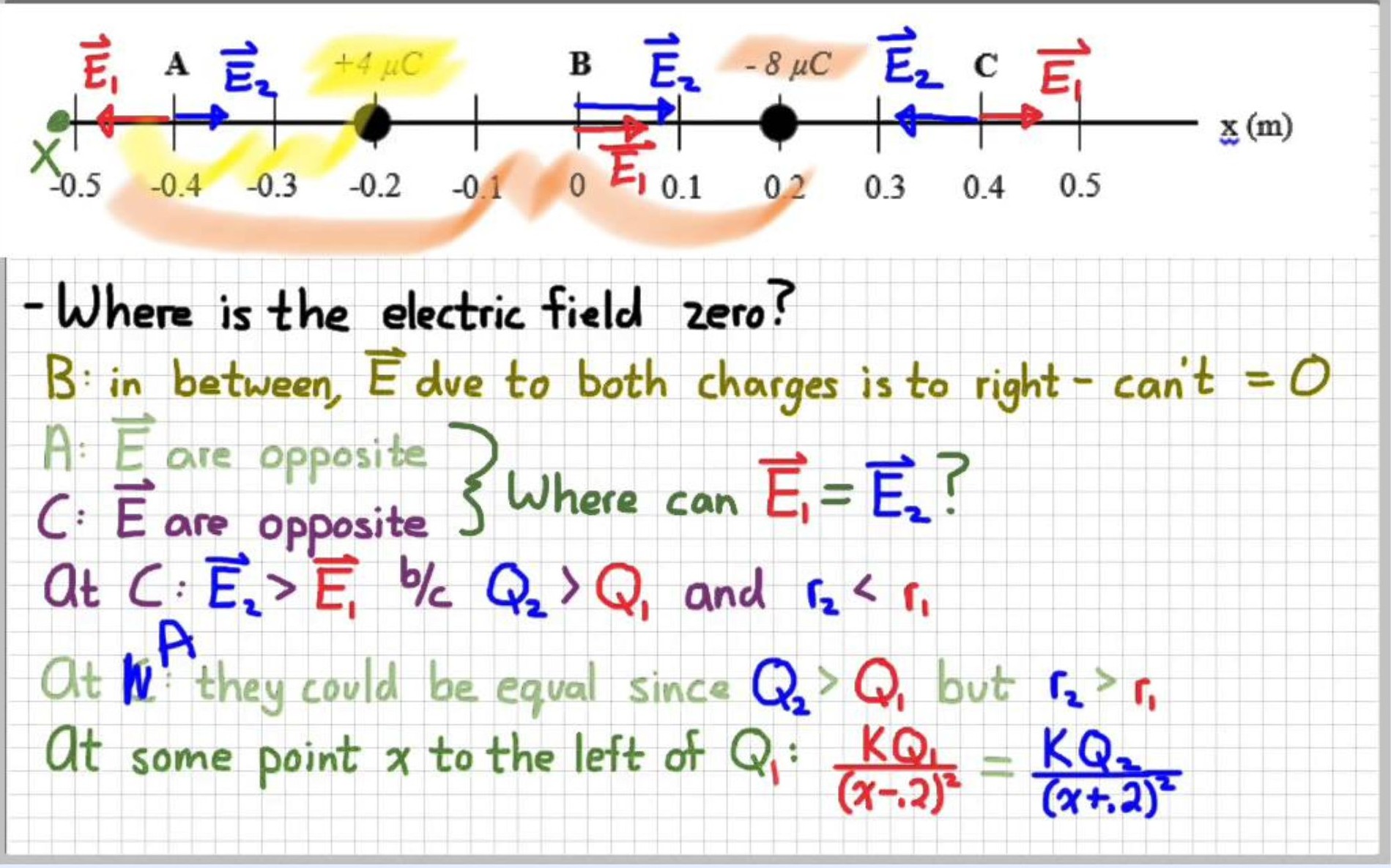
A large portion of the course is dedicated to electrostatics and electric circuits, focusing on current, resistance, and energy in DC circuits.
4. Magnetism and Electromagnetic Induction
Students learn how magnetic fields interact with electric currents, Faraday’s Law, and applications such as electric generators.
5. Geometric and Physical Optics
Topics include reflection, refraction, diffraction, lenses, and mirrors.
6. Quantum, Atomic, and Nuclear Physics
This modern physics section introduces the photoelectric effect, atomic energy levels, and nuclear reactions.
7. Scientific Practices
The course also emphasizes scientific reasoning, experimental design, and data analysis, preparing students for labs and scientific communication.
Each unit blends theoretical concepts with real-world applications, making physics more engaging and meaningful.
Who Should Take AP Physics 2?
Recommended Prerequisites
- Successful completion of AP Physics 1 or an equivalent physics course.
- Solid grasp of algebra and trigonometry.
- Strong interest in science or engineering fields.
Ideal For Students Who:
- Plan to major in biological sciences, pre-med, or life sciences.
- Enjoy solving conceptual problems and conducting experiments.
- Want a college-level physics experience without calculus.
Unlike AP Physics C, AP Physics 2 does not require calculus, making it more accessible for a broader group of students.
Benefits of Taking AP Physics 2
1. Earn College Credit
Many U.S. colleges and universities offer credit or advanced placement for students who score well (typically 3 or higher) on the AP Physics 2 exam.
2. Build a Strong Science Foundation
The course helps prepare students for university-level studies in science and engineering, especially for programs that don’t require calculus-based physics.
3. Improve College Applications
Taking AP Physics 2 shows admissions committees that you are academically capable and willing to take on challenges.
4. Develop Scientific Thinking
Students improve their ability to analyze data, build models, and conduct experiments, which are valuable skills in any STEM field.
5. Get a Competitive Edge
If you’re aiming for competitive programs in health sciences, AP Physics 2 gives you an academic advantage.
How Is the AP Physics 2 Exam Structured?
The AP Physics 2 exam tests both conceptual understanding and analytical skills. The total exam time is 3 hours, divided into two sections:
Section 1: Multiple Choice
- 50 Questions
- 90 Minutes
- 50% of Total Score
- Includes discrete questions and grouped sets (questions based on the same scenario or graph).
Section 2: Free-Response
- 4 Questions
- 90 Minutes
- 50% of Total Score
- Includes:
- Experimental Design Question
- Quantitative/Qualitative Translation
- Short Answer Questions
- Experimental Design Question
Students are expected to show their reasoning, explain phenomena, and use equations appropriately, even when calculators are allowed.
Study Tips for AP Physics 2 Success
1. Review Conceptual Material Regularly
Don’t just memorize formulas—understand the “why” behind the physics.
2. Practice with Past Exam Questions
The College Board provides previous exam questions, which help familiarize you with the question format.
3. Conduct Experiments
Whether virtual or real, lab experience helps develop critical thinking and reinforces physics concepts.
4. Use Reliable Resources
Trusted review books like Princeton Review and Barron’s are great supplements. Khan Academy also offers a free AP Physics 2 course online.
5. Join Study Groups
Working with peers can help fill knowledge gaps and boost confidence.
AP Physics 2 vs. AP Physics C: Which One Should You Take?
| Feature | AP Physics 2 | AP Physics C |
| Math Level | Algebra-based | Calculus-based |
| Topics | Broad (fluid, thermo, E&M, modern) | Split into Mechanics and E&M |
| Target Majors | Life sciences, pre-med | Engineering, physics majors |
| Difficulty | Moderate | More advanced |
| Credit | For general science courses | For engineering-level physics |
Choose AP Physics 2 if you’re more interested in biology or chemistry. Choose AP Physics C if you love math and plan to go into engineering or physics.
Colleges That Accept AP Physics 2 Credit
Many institutions accept AP Physics 2 for introductory physics credit in life science-related majors. Some well-known schools that offer credit include:
- University of California system
- Boston University
- Michigan State University
- University of Florida
- Penn State University
Note: Always check the college’s AP credit policy to confirm.
Real Student Experiences
“AP Physics 2 helped me build confidence in tackling science problems without the pressure of calculus. It prepared me well for college biology and chemistry.” — Emily T., 12th Grade
“The free-response section was challenging, but practicing labs and data analysis really paid off.” — David M., AP Physics 2 Student
Conclusion: Is AP Physics 2 Right for You?
AP Physics 2 is a rigorous and rewarding course that builds a solid physics foundation for students pursuing science or health-related fields. With its algebra-based approach, it is accessible to many and still provides deep insight into important physical principles. From college credit opportunities to stronger problem-solving skills, AP Physics 2 opens the door to academic and career success in STEM.
If you’re passionate about science and want to challenge yourself with real-world applications of physics, AP Physics 2 is the perfect course to consider.