
AP Comparative Government is one of the most engaging and informative courses offered by the College Board’s Advanced Placement (AP) program. Designed for high school students interested in politics, this course provides a deep understanding of political systems, governance structures, and public policies across different countries. Whether you are a student preparing for college or a teacher planning your curriculum, AP Comparative Government offers valuable insights into global politics.
Understanding the AP Comparative Government Curriculum
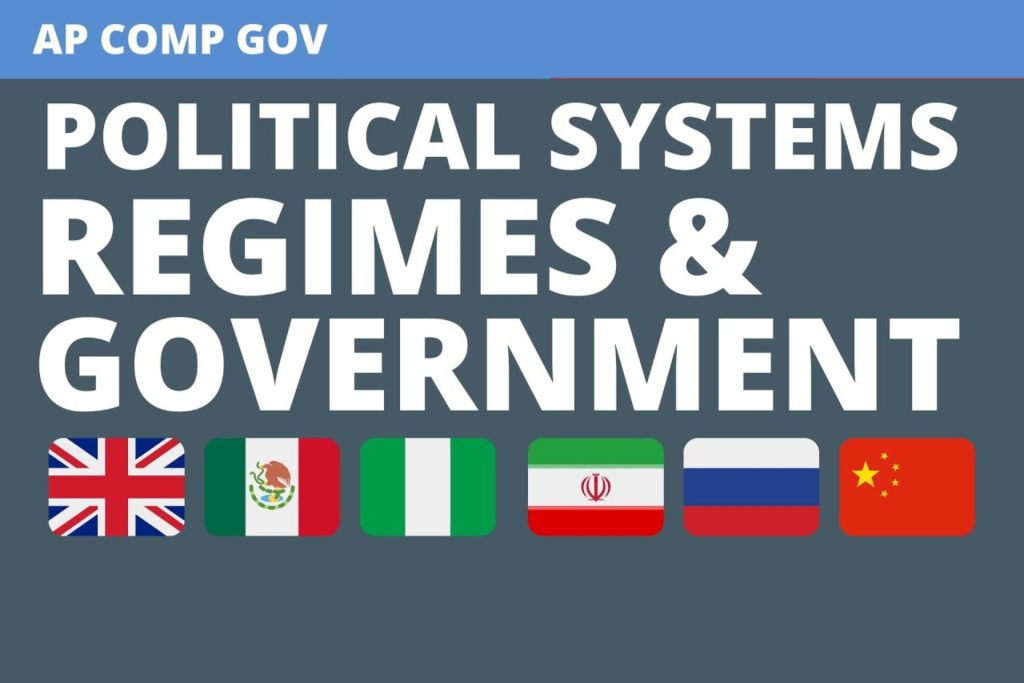
The AP Comparative Government curriculum focuses on six core countries: the United Kingdom, Mexico, Iran, Nigeria, Russia, and China. Each nation represents a unique political system and offers different perspectives on governance and policy-making.
Key Topics in AP Comparative Government
- Political Systems, Regimes, and Governments
This section introduces students to different types of political regimes, including democracies, authoritarian systems, and hybrid regimes. You will explore the structure and functions of governments and understand how power is distributed and exercised.
- Political Institutions
Learn about various political institutions such as legislatures, executives, judiciaries, and bureaucracies. AP Comparative Government compares how these institutions operate across the six core countries.
- Political Culture and Participation
This topic covers how citizens engage with politics through voting, protests, interest groups, and political parties. It also examines how media, political ideologies, and social movements shape political participation.
- Political and Economic Change
Understand how political and economic changes occur, including revolutions, coups, reforms, and globalization. AP Comparative Government analyzes case studies from the six countries to illustrate these changes.
- Public Policy
Dive into policy-making processes and evaluate how governments address issues like education, healthcare, economic development, and the environment.
Why Take AP Comparative Government?
Enrolling in AP Comparative Government offers multiple benefits for high school students.
College Credit and Advanced Placement
Achieving a high score on the AP Comparative Government exam can earn you college credit and allow you to skip introductory political science courses.
Global Awareness
By studying different political systems, students gain a better understanding of world affairs, international relations, and global governance structures.
Skill Development
The course helps develop critical thinking, analytical writing, and data interpretation skills. These are valuable for careers in law, government, journalism, and academia.
The AP Comparative Government Exam Format
Understanding the AP Comparative Government exam structure is essential for success.
Section I: Multiple-Choice Questions (MCQs)
- Number of Questions: 55
- Time Allotted: 60 minutes
- Weight: 50% of the total exam score
This section tests your factual knowledge and understanding of key concepts.
Section II: Free-Response Questions (FRQs)
- Number of Questions: 4
- Time Allotted: 90 minutes
- Weight: 50% of the total exam score
This portion requires students to write analytical essays, compare political systems, and interpret quantitative and qualitative data.
Effective Study Tips for AP Comparative Government
To excel in AP Comparative Government, follow these study strategies:
- Master the Six Core Countries
Focus on understanding the government structure, political culture, and policy issues in the United Kingdom, Mexico, Iran, Nigeria, Russia, and China.
- Use Official AP Resources
Review the AP Comparative Government Course and Exam Description (CED) available on the College Board website.
- Practice Past Exam Questions
Go through previous AP Comparative Government exam papers to familiarize yourself with the question format and time management.
- Create Comparative Charts
Make comparison tables for political institutions, electoral systems, and policy-making processes across the six countries.
- Join Study Groups
Discuss key topics with classmates or online study forums to broaden your understanding and clarify doubts.
Major Themes Explored in AP Comparative Government
AP Comparative Government examines several overarching themes that run through the curriculum.
Democratization
Explore how countries transition from authoritarian regimes to democracies. Learn about the challenges and opportunities in consolidating democracy.
Political Legitimacy
Understand what makes a government legitimate in the eyes of its citizens and how legitimacy is maintained or lost over time.
Sovereignty, Authority, and Power
Study how governments exercise authority and the factors that influence state sovereignty in a globalized world.
Civil Society
Discover the role of non-governmental organizations (NGOs), community groups, and activist movements in influencing public policy and government action.
Common Challenges Students Face in AP Comparative Government
Despite its benefits, AP Comparative Government can be demanding.
Information Overload
With six different countries to study, students may feel overwhelmed by the amount of information. Creating concise study notes can help.
Understanding Complex Concepts
Political theories and government structures can be abstract. Visual aids like flowcharts and mind maps often make these topics more digestible.
Time Management During the Exam
Balancing time between MCQs and FRQs is crucial. Regular timed practice sessions can improve your exam performance.
Recommended Books and Resources for AP Comparative Government
Here are some highly recommended study materials:
- AP Comparative Government and Politics: An Essential Coursebook (5th Edition) by Ethel Wood
- Barron’s AP Comparative Government and Politics
- College Board’s Official AP Comparative Government Practice Exams
- 5 Steps to a 5: AP Comparative Government and Politics
Online resources like Khan Academy, Quizlet, and Reddit AP Comparative Government forums also provide valuable study aids.
AP Comparative Government Scoring and College Credit
AP scores range from 1 to 5. Many colleges offer credit for scores of 3 or higher, but top-tier universities often require a 4 or 5.
| Score | Qualification | Description |
| 5 | Extremely well qualified | Best chance for college credit |
| 4 | Well qualified | Good chance for college credit |
| 3 | Qualified | Possible college credit |
| 2 | Possibly qualified | Unlikely to receive credit |
| 1 | No recommendation | No credit |
Career Paths Related to AP Comparative Government
Students who excel in AP Comparative Government often pursue careers in:
- Political Science
- International Relations
- Public Administration
- Law
- Journalism
- Diplomacy
The analytical and critical thinking skills you develop will serve you well in these fields.
Frequently Asked Questions (FAQs) About AP Comparative Government
- Is AP Comparative Government hard?
It can be challenging due to the breadth of content, but with consistent study, most students can succeed. - How long is the AP Comparative Government exam?
The exam lasts approximately 2 hours and 30 minutes. - Can I self-study for AP Comparative Government?
Yes, many students successfully self-study this course using textbooks, online resources, and practice exams. - What’s the best way to memorize country facts?
Using flashcards, country comparison charts, and frequent review sessions can help retain key information.
Conclusion: Master Global Politics with AP Comparative Government
In summary, AP Comparative Government offers students an excellent opportunity to deepen their understanding of global politics and political systems. From preparing for college credit to building valuable analytical skills, this course equips learners with tools essential for academic and career success. If you’re passionate about political science and international relations, AP Comparative Government is the perfect starting point for your journey.