AP Calculus AB is one of the most popular and challenging Advanced Placement (AP) math courses offered to high school students in the United States. Designed by the College Board, this course covers fundamental topics in differential and integral calculus. AP Calculus AB provides students with college-level mathematics knowledge while still in high school. Many students take AP Calculus AB to strengthen their college applications and earn college credits before graduation.
What Topics Are Covered in AP Calculus AB?
Understanding the topics covered in AP Calculus AB is essential for success. The curriculum is carefully designed to mirror a first-semester college calculus course.
Limits and Continuity in AP Calculus AB
Students start with the concept of limits, which forms the foundation of calculus. You will learn how functions behave as inputs approach specific values. Continuity ensures that functions do not have abrupt changes, and this topic is crucial for understanding later calculus concepts.
Differentiation: The Core of AP Calculus AB
Differentiation focuses on finding the rate at which a function changes at any given point. This is one of the most tested topics on the AP Calculus AB exam. Key concepts include:
- Derivative rules (product rule, quotient rule, chain rule)
- Derivatives of trigonometric, exponential, and logarithmic functions
- Applications of derivatives such as finding local maxima and minima
- Understanding concavity and points of inflection
Applications of Derivatives in AP Calculus AB
In this section, students apply differentiation skills to solve real-world problems. Common topics include:
- Related rates
- Optimization problems
- Motion problems (velocity and acceleration)
- Curve sketching using the first and second derivative tests
Integration in AP Calculus AB
Integration is the reverse process of differentiation and another major focus of the AP Calculus AB curriculum. Students will learn:
- Indefinite integrals (antiderivatives)
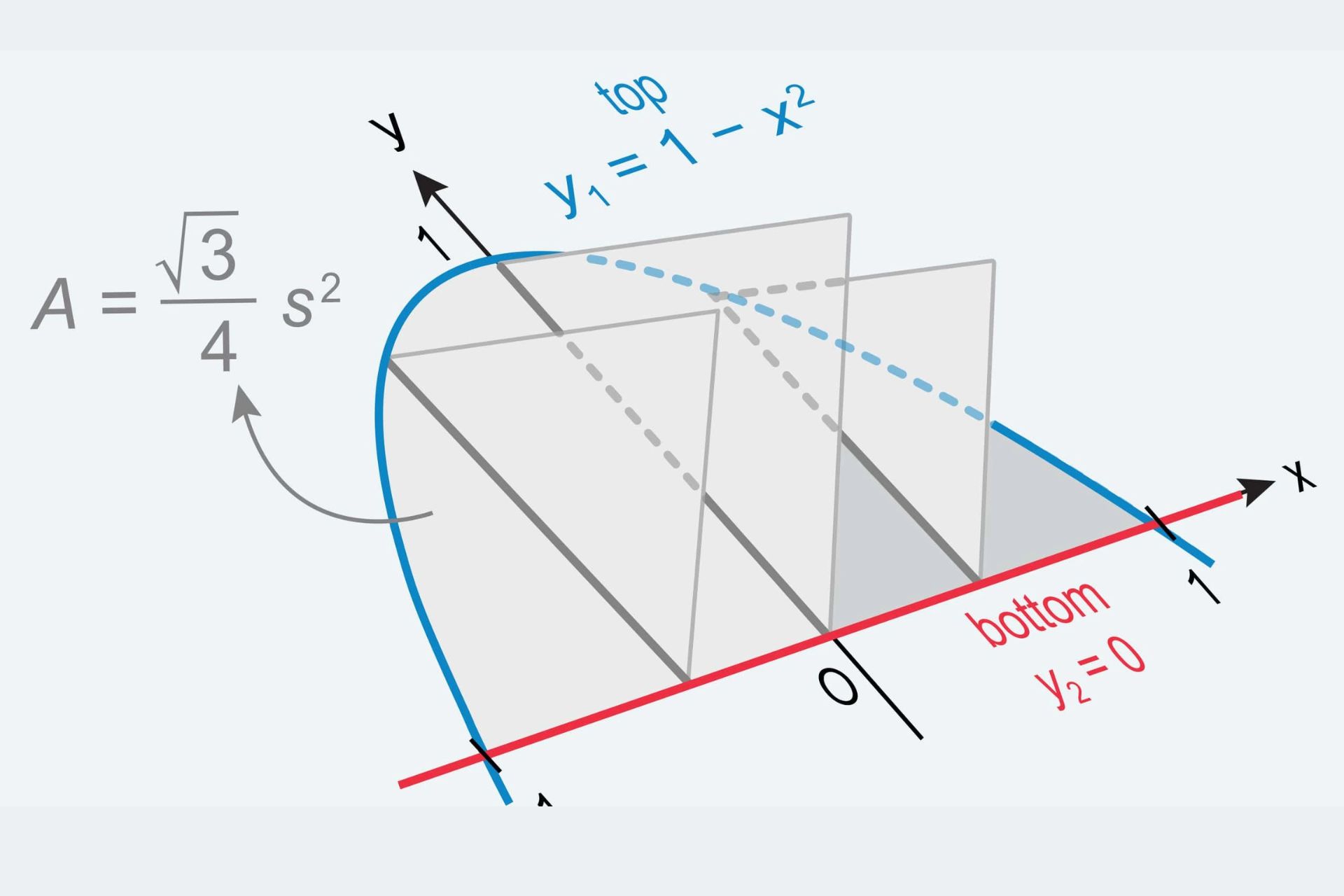
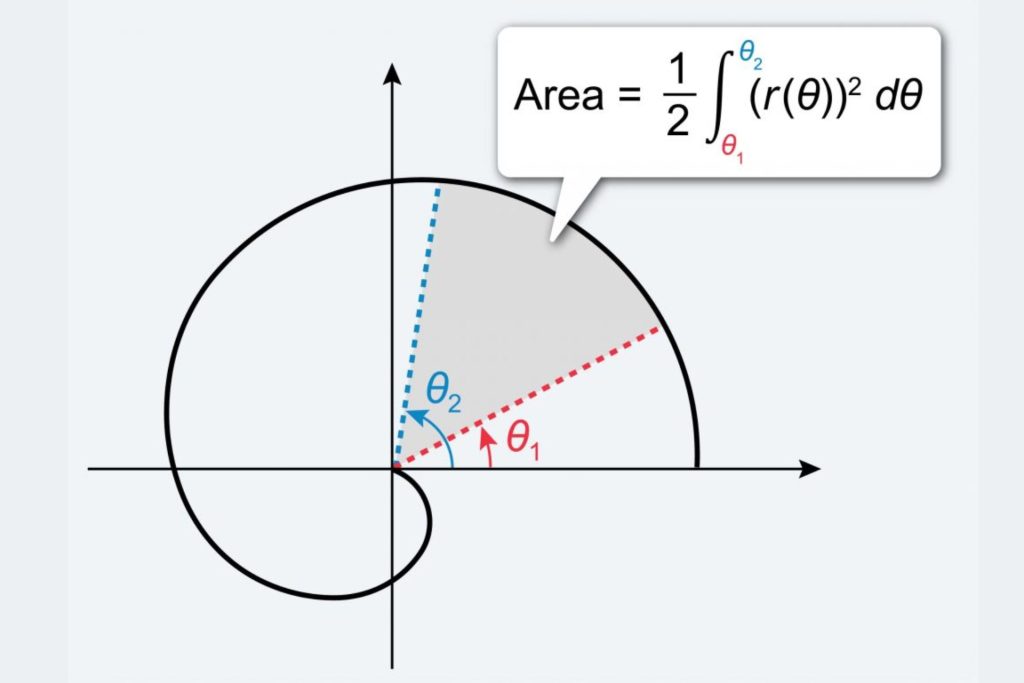
- Definite integrals and the concept of area under a curve
- Integration techniques such as u-substitution
- Accumulation functions and interpreting integrals in context
The Fundamental Theorem of Calculus
This critical theorem connects differentiation and integration. Understanding the Fundamental Theorem of Calculus is essential for answering both multiple-choice and free-response questions in the AP Calculus AB exam.
AP Calculus AB Exam Format and Structure
Preparing for the AP Calculus AB exam starts with understanding its format. The exam typically takes place in May each year.
Multiple-Choice Section
- Part A: 30 questions, no calculator allowed, 60 minutes
- Part B: 15 questions, calculator allowed, 45 minutes
Free-Response Section
- Part A: 2 questions, calculator allowed, 30 minutes
- Part B: 4 questions, no calculator allowed, 60 minutes
The AP Calculus AB exam assesses your ability to solve problems both with and without a calculator. Time management is crucial during both sections.
Scoring and AP Calculus AB Exam Grading
The AP Calculus AB exam is scored on a scale from 1 to 5:
- 5: Extremely well qualified
- 4: Well qualified
- 3: Qualified
- 2: Possibly qualified
- 1: No recommendation
A score of 3 or higher is generally considered passing and may earn you college credits, depending on the university’s AP credit policy.
Benefits of Taking AP Calculus AB
Choosing AP Calculus AB comes with multiple academic and career benefits.
College Credit and Placement
Many colleges and universities offer credit or advanced placement for high scores on the AP Calculus AB exam. This can save students thousands of dollars in tuition and allow them to skip introductory math courses.
Strengthening College Applications
Taking AP Calculus AB signals to college admissions officers that you are ready for rigorous academic challenges. It shows your commitment to STEM subjects and enhances your college application profile.
Building Strong Mathematical Foundations
Whether you pursue engineering, economics, physics, or computer science, the skills you learn in AP Calculus AB will provide a solid mathematical foundation for future coursework.
Study Tips to Succeed in AP Calculus AB
Success in AP Calculus AB requires dedication, practice, and strategic study methods.
Understand the AP Calculus AB Curriculum
Start by thoroughly reviewing the official AP Calculus AB Course and Exam Description (CED) provided by the College Board. This outlines every topic that could appear on the exam.
Practice with Past AP Calculus AB Exams
Practicing with previous years’ AP Calculus AB exams helps you familiarize yourself with the question types and time constraints. The College Board website offers free-response questions from past exams for practice.
Master Calculus Concepts
Don’t just memorize formulas. Make sure you understand why each formula works and how to apply it in different contexts. Conceptual understanding is key to solving both multiple-choice and free-response questions.
Use AP Calculus AB Review Books
Popular AP Calculus AB prep books like Princeton Review, Barron’s, and 5 Steps to a 5 offer practice questions, full-length tests, and detailed content reviews.
Join Study Groups or Get a Tutor
Studying with peers or hiring a tutor can provide additional support and clarify challenging concepts. Many students find that explaining topics to others enhances their own understanding.
Common Mistakes to Avoid in AP Calculus AB
Even high-performing students can make mistakes on the AP Calculus AB exam. Here are some pitfalls to avoid:
- Not showing all work on free-response questions (partial credit is awarded based on steps shown)
- Misusing calculators or over-relying on them
- Skipping review of limits and continuity (often overlooked but essential)
- Poor time management during the exam
- Not understanding the Fundamental Theorem of Calculus thoroughly
Resources for AP Calculus AB Preparation
Here are some recommended resources for AP Calculus AB preparation:
- Khan Academy: Free video lessons and practice problems
- College Board AP Classroom: Official practice materials and progress checks
- AP Calculus AB Prep Books: Princeton Review, Barron’s, Kaplan, and 5 Steps to a 5
- YouTube Channels: PatrickJMT, Professor Leonard, and Organic Chemistry Tutor
- Online Calculus Courses: Coursera, edX, and Brilliant.org
Is AP Calculus AB Right for You?
Before enrolling in AP Calculus AB, consider the following:
- Are you comfortable with algebra, trigonometry, and pre-calculus concepts?
- Are you willing to invest time and effort in a college-level math course?
- Does your intended college major require calculus?
If you answered “yes” to these questions, AP Calculus AB is likely a great fit for you.
Conclusion: Why AP Calculus AB Matters for Your Academic Journey
AP Calculus AB is more than just another high school math class. It challenges students to think critically, solve complex problems, and develop a deep understanding of calculus concepts. With dedication and the right study strategies, you can excel in AP Calculus AB and earn college credit while strengthening your academic profile for future opportunities.
Whether you aim for STEM careers or just want to test your math skills, AP Calculus AB will prepare you for success in college-level mathematics and beyond.